Wimbledon Common ceremony flowers venue advice
Posted on 04/10/2026
Wimbledon Common ceremony flowers venue advice: a practical guide for weddings and special moments
If you are planning a ceremony near Wimbledon Common, flowers can do a lot of heavy lifting. They soften a room, frame the aisle, calm a nervous wait before the music starts, and make even a simple venue feel like it has been thought through properly. Good Wimbledon Common ceremony flowers venue advice is really about more than choosing a pretty bouquet. It is about matching flowers to the space, the weather, the timing, and the tone of the day. That sounds obvious, but in practice it is where many plans go a bit sideways.
This guide walks you through what works, what to avoid, and how to make sensible choices without overcomplicating things. Whether you are planning a small register-style ceremony, a formal wedding reception nearby, or a low-key celebration with family in tow, you will find practical ideas here. And yes, a few things that save stress on the day. Which is always welcome, let's face it.
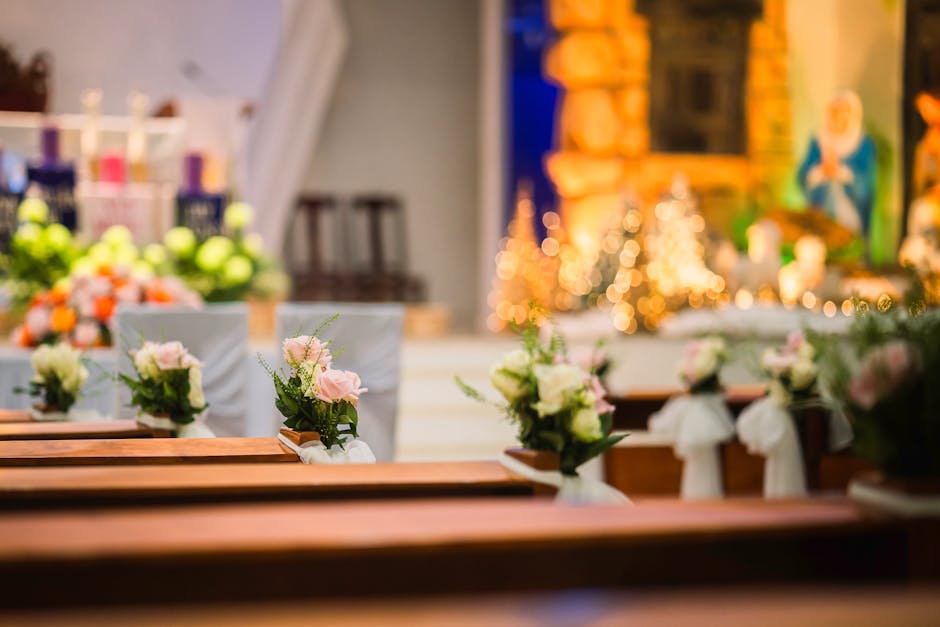
Why Wimbledon Common ceremony flowers venue advice Matters
Wimbledon Common sits in a part of London where ceremony settings can vary a lot. One venue may feel open and airy, another more formal and compact, and outdoor-adjacent spaces can come with weather and light issues you do not want to discover on the day. That is why venue advice matters. Flowers are not just decorative; they are part of how the space functions and how guests experience it.
The right floral plan helps the venue feel cohesive. It can guide the eye to the couple, define the signing table, or add warmth to a room that might otherwise feel a bit plain. In a more relaxed setting, flowers can also make the day feel personal without turning it into a full production. There is a sweet spot here. Too little, and the space can feel unfinished. Too much, and you start fighting the venue rather than enhancing it.
Good advice also helps you manage budget and timing. Around a common or park-side location, access can be tighter than you expect. Deliveries, parking, and setup windows matter. If you are working with a florist who knows local ceremony logistics, you will usually feel that difference pretty quickly. Fewer surprises. Less faffing about.
Expert summary: The best flower plan for a Wimbledon Common ceremony is the one that fits the venue first and the aesthetic second. Beautiful flowers matter, of course. But practical fit is what makes them look beautiful in real life.
How Wimbledon Common ceremony flowers venue advice Works
At its simplest, this kind of advice helps you connect three things: the venue, the ceremony format, and the floral style. You start with what the space already gives you, then decide where flowers can add impact without overloading the setting.
Here is how the process usually works in practice:
- Assess the venue layout. Look at entrances, aisle space, focal points, table sizes, and any restrictions around candles, petals, or freestanding displays.
- Choose the floral purpose. Are flowers framing the couple, decorating the signing table, marking the entrance, or providing guest table arrangements? Each purpose needs different scales and mechanics.
- Match season and style. Seasonal flowers often give the best value and the most natural look. A spring ceremony may suit softer blooms, while late summer can support fuller, more expressive designs.
- Plan the logistics. Delivery time, access, and setup order matter more than people think. If florals need to be installed before guests arrive, the venue schedule must allow for that.
- Review the final plan. The best flower plans are specific: quantities, colours, containers, and placement all written down. Vague plans are where drift happens.
You will often find that a florist can help translate your inspiration into something that actually suits the room. That is especially useful if your ideas are lovely but a little ambitious. Happens all the time. No judgement.
If you want to explore a broader local florist offering, you may also find a trusted florist in Raynes Park SW20 helpful when comparing ceremony and celebration options. For couples thinking beyond the ceremony itself, wedding flowers in Raynes Park SW20 can give a sense of the styles that translate well into local venues.
Key Benefits and Practical Advantages
Flowers do more than look nice in photographs, although they certainly help with that. The right venue-aware floral plan gives you practical advantages that can make the whole event run more smoothly.
- Better visual balance. A ceremony space feels more intentional when floral scale matches the room size.
- Less stress on the day. A clear placement plan reduces last-minute decisions and awkward rearranging.
- Improved guest experience. Well-placed florals can guide movement, soften hard edges, and make the space feel welcoming.
- More accurate budgeting. Knowing what needs flowers, and what does not, stops overspending on filler items.
- Stronger photography. A ceremony backdrop, aisle arrangement, or signing table with structure tends to photograph better than loose, disconnected decor.
- Local practicality. Near Wimbledon Common, delivery timing and venue access are easier to manage when your florist understands the area.
There is also a quieter benefit: confidence. When you know the flowers fit the venue, you stop worrying about whether the room will look bare or overdone. That small peace of mind can matter more than any individual bloom.
To be fair, not every ceremony needs large statement pieces. Sometimes a few elegant focal arrangements and well-chosen personal flowers are all you need. A restrained scheme can look more expensive than a crowded one, which is mildly annoying if you have spent hours pinning ideas online, but there it is.
Who This Is For and When It Makes Sense
This advice is useful for anyone planning flowers around Wimbledon Common, but it is especially relevant if you are dealing with one of these situations:
- You are getting married in or near a venue with mixed indoor and outdoor spaces.
- You want the ceremony to feel polished without spending on excessive decoration.
- You are working to a fixed venue time slot and need fast, reliable setup.
- You want flowers that work for photos, guest flow, and ceremony focus all at once.
- You are not sure whether your venue needs aisle flowers, table flowers, or just one strong focal display.
- You are planning with family or a smaller team and need things kept simple.
It also makes sense if you are not fully sure what style you want yet. A good florist can help you narrow that down by looking at the venue and asking the right questions. That conversation is often where the plan gets smarter. A lot smarter.
For couples who want a more traditional wedding look, browsing wedding collections and focused pieces like bridal bouquets or table arrangements can help you visualise what suits the ceremony space before you commit.
Step-by-Step Guidance
If you want a flower plan that actually works on the day, keep it structured. Here is a practical approach that usually saves time and a few headaches.
1. Walk the venue or review photos carefully
Start with the space itself. Look at the width of the aisle, where guests will sit, where people will pause for photographs, and which areas naturally draw attention. A pretty arrangement in the wrong place can disappear, or worse, block movement. A brief venue visit is ideal, but if that is not possible, ask for clear photos taken in daylight. Morning light and late afternoon light can make the same room feel completely different.
2. Decide what needs to be flowered
Most ceremony spaces only need a handful of focal points. Common choices include the entrance, aisle ends, signing table, registrar table, and the back of the room or altar area. You do not need flowers everywhere. Honestly, you rarely do. The trick is to choose the spots guests will actually notice.
3. Choose a colour direction that suits the venue
For Wimbledon Common settings, soft whites, greens, blush tones, and gentle pastels often work well because they feel calm and adaptable. That said, richer colours can be stunning in a venue with darker wood, deeper fabrics, or more dramatic interiors. If the space is already busy, cleaner colour palettes usually look more refined. If the room is plain, stronger contrast can bring it to life.
4. Match flower choice to season and durability
Some flowers are more resilient than others. If your ceremony involves warm rooms, transport time, or a long delay before reception photos, ask for blooms that hold their shape well. Roses, alstroemeria, chrysanthemums, lilies, hydrangeas, and mixed seasonal stems are often used in ceremony work because they can deliver texture and presence. Availability changes through the year, so seasonal flexibility matters.
5. Confirm setup timing and access
This is a big one. Who is delivering? When can they access the venue? Is there somewhere to place the flowers safely before setup? If the ceremony is tight on time, a florist who can install quickly and neatly is worth their weight in gold. Not glamorous, perhaps, but true. Access details are the unglamorous backbone of good floral work.
6. Finalise what happens after the ceremony
Some arrangements can be moved from the ceremony to the reception. Some cannot. Aisle arrangements may be repurposed for the top table or gift table, while fragile pieces might be best left in place. Planning this in advance gives you better value and avoids that awkward in-between moment when everyone looks at the flowers and no one knows where they should go next.
7. Keep a written plan
Write down sizes, colours, quantities, delivery details, and the exact places each arrangement should go. This sounds almost too simple, but it is one of the most effective ways to avoid confusion. Venue staff and florists both appreciate clarity. So do you, when the day gets busy.
Expert Tips for Better Results
Here are the small, experienced-people-things that tend to make a noticeable difference.
- Pick one clear focal area. If everything is a focal point, nothing is.
- Use structure as well as softness. Loose florals look lovely, but a bit of shape helps the design feel intentional.
- Think about sightlines. The couple should never be hidden behind tall arrangements unless that is the plan, and even then, usually not.
- Ask for reusable pieces. Ceremony flowers that can move to the reception usually stretch the budget further.
- Respect the venue's mood. A quiet, elegant room often wants quieter, more elegant flowers. A more celebratory space can handle bolder colour or fuller designs.
- Check fragrance carefully. Some flowers are very fragrant. Lovely, yes. But in a compact indoor ceremony, strong scent can be a bit much.
A simple rule helps: if the venue already has personality, let the flowers support it. If the venue is plain, let the flowers do more of the talking. It sounds a bit obvious, but honestly, obvious advice is often the advice people needed first.
If you are building a broader gift or celebration plan, you might also browse send flowers in Raynes Park SW20 or flower delivery in Raynes Park SW20 options for related occasions before or after the ceremony.
Common Mistakes to Avoid
The most common mistakes with ceremony flowers are not dramatic. They are usually small planning gaps that become very obvious on the day. That is the annoying part.
- Choosing flowers before checking the venue. A design that looks perfect online may be too large, too delicate, or too busy for the actual room.
- Ignoring access and timing. Even beautiful flowers can become a problem if they arrive too late or there is nowhere to stage them.
- Over-ordering arrangements. More flowers do not automatically mean better styling.
- Forgetting transport needs. Some arrangements travel better in water, some in boxes, and some need immediate display.
- Using fragile blooms in hot conditions. Delicate flowers may not hold as well in warm or long-running events.
- Not briefing the venue. If the venue team does not know what is arriving and when, setup can get messy.
- Skipping the repurpose plan. Flowers that could have served two moments often end up serving only one.
A useful sanity check is this: if your plan depends on everything going perfectly, it probably needs simplifying. Ceremonies are emotional, busy, and full of moving parts. The floral design should steady the day, not add pressure to it.
Tools, Resources and Recommendations
You do not need fancy software to plan ceremony flowers, though a few simple tools help a lot.
- Venue floor plan or sketch. Even a rough hand-drawn layout can help you see scale and spacing.
- Reference photos. Gather examples of arrangements you like, but keep them focused on shape and mood rather than trying to copy every bloom.
- Guest and furniture counts. Useful for understanding how much floral emphasis the room can carry.
- Delivery timeline. Work backwards from ceremony start time so the setup is not rushed.
- Colour notes. List dress colours, table linens, bridesmaids' bouquets, or suit accents if relevant.
In practical terms, florists often help most when they translate ideas into a workable arrangement list. If you want everyday, local options, you may want to explore flower shops in Raynes Park SW20 and compare what feels most responsive, clear, and ceremony-ready.
For flowers that need to arrive quickly, the timing options matter as much as the design. same day flower delivery and next day flower delivery can be useful for smaller add-ons or last-minute adjustments, though for a ceremony itself you would usually plan earlier. Relying on last-minute delivery for the main event is a bit like packing for a wedding with five minutes to spare. Brave, but not ideal.
For product inspiration, collections such as florist choice, luxury flowers, and best sellers can help you spot styles that suit both formal and relaxed ceremony settings.
Law, Compliance, Standards, or Best Practice
For flowers at a ceremony venue near Wimbledon Common, the main compliance concerns are usually practical rather than heavily regulated. You still want to follow venue rules, respect access arrangements, and avoid anything that could create a safety issue.
Here is what good practice usually looks like:
- Follow venue instructions. If the venue asks for setup windows, protected flooring, or no petals in certain areas, treat that as non-negotiable.
- Consider fire safety. Some venues restrict candles, open flames, or certain decorative placements. Check before planning anything that depends on flame-based styling.
- Protect surfaces and walkways. Water, plant material, and loose stems should not create slip hazards or stain flooring.
- Be mindful of accessibility. Arrangements should not block entrances, aisle space, or mobility routes.
- Use clear contracts or written confirmations. Order details, delivery timing, product substitutions, and cancellation terms should all be understood in advance.
UK venues often have their own policies around installation and removal, and those matter just as much as the flowers themselves. If your ceremony is tied to a wedding, it is also wise to think about general terms, payment, and refund expectations early, especially if the floral order is a major part of the budget. Simple, documented, and calm is the best route.
For shoppers who want to understand general service expectations, it can be useful to review pages like delivery, terms and conditions, and returns and refund so the order process feels clear from the outset.
Options, Methods, or Comparison Table
If you are choosing between different ceremony flower approaches, it helps to compare them side by side. Not every venue needs a full floral takeover, and not every budget wants one.
| Approach | Best for | Advantages | Things to watch |
|---|---|---|---|
| Minimal focal flowers | Smaller ceremonies, tighter budgets, simple spaces | Clean look, lower cost, easy setup | Can feel sparse if the venue is very plain |
| Aisle and signing-table styling | Mid-size indoor venues | Creates structure and gives the ceremony a polished flow | Needs clear placement planning |
| Statement ceremony design | Formal weddings, photo-led celebrations, larger venues | Strong visual impact, memorable backdrop | Higher cost and more setup time |
| Repurposable arrangements | Budget-conscious couples wanting value | Flowers move from ceremony to reception | Needs careful coordination so pieces suit both spaces |
In many Wimbledon Common ceremonies, the most effective approach is somewhere between minimal focal flowers and repurposable arrangements. That gives you impact without overcrowding the space. It also means the flowers keep working after the vows, which is a lovely bit of practical efficiency.
Case Study or Real-World Example
Here is a realistic example. A couple planning a ceremony near Wimbledon Common wanted something elegant but not overly formal. The venue had a fairly neutral interior, limited setup time, and a modest aisle. They were tempted to add flowers everywhere, because that is what happens when planning gets exciting at 10:30 at night.
After reviewing the room, the florist suggested a simpler plan:
- Two medium entrance arrangements to frame arrival
- A low signing-table arrangement so faces stayed visible in photos
- Several smaller aisle pieces that could later move to the reception tables
- A bouquet palette using whites, soft blush, and green foliage for a calm look
The result was balanced. The venue felt dressed, but not crowded. The couple did not have to worry about guests bumping into tall pieces, and the room looked coherent in photos from different angles. Best of all, the reception inherited some of the ceremony flowers, which made the whole order feel more worthwhile.
That kind of outcome is very common when the floral plan starts with the room rather than the shopping list. The flowers do not need to shout. They just need to belong.
Practical Checklist
Before you finalise your ceremony flowers, work through this checklist. It is a simple way to catch the details that tend to slip through.
- Have I seen the venue layout or enough photos to understand the space?
- Do I know the ceremony start time and the setup window?
- Have I listed the areas that actually need flowers?
- Do the chosen colours suit the venue and the outfits?
- Are the flowers suitable for the season and the length of the event?
- Have I confirmed access, parking, and delivery details?
- Will any arrangements be reused after the ceremony?
- Have I checked venue rules about petals, candles, or water containers?
- Is the budget focused on impact points rather than random extras?
- Do I have the florist's final plan in writing?
Quick takeaway: the smartest ceremony flower plans are usually calm, specific, and venue-led. If the plan feels easy to explain, it is probably a good one.
Conclusion
Wimbledon Common ceremony flowers venue advice is really about making your flowers serve the day, not just decorate it. When the venue, timing, and floral style work together, the result feels effortless, even though a fair bit of thinking has gone into it behind the scenes. That is the sweet spot.
Focus on the venue first, keep the design clear, and build in enough flexibility for real-world logistics. If you do that, you are far more likely to end up with flowers that look elegant, photograph well, and support the ceremony rather than complicating it. And honestly, that is what most people want once the planning dust settles.
If you are still weighing up styles or delivery timing, it is worth looking at the broader local ranges and asking for something that fits both your venue and your day. The best floral plans are rarely the loudest ones. They are the ones that quietly make everything else feel right.
Get a free quote today and see how much you can save.
There is a real comfort in knowing the details are handled. That little bit of calm is worth a lot on a ceremony day.

Frequently Asked Questions
What flowers work best for a ceremony near Wimbledon Common?
It depends on the venue style, but many couples choose roses, lilies, alstroemeria, hydrangeas, chrysanthemums, or mixed seasonal flowers because they hold up well and suit both formal and relaxed settings. The best choice is usually the one that fits the room, the season, and how long the flowers need to last.
How far in advance should I book ceremony flowers?
As early as you can, especially for a wedding or larger ceremony. Booking ahead gives you better choice, more time to refine colours and placement, and less pressure around venue access. If the date is close, ask what can realistically be achieved rather than guessing.
Do I need flowers everywhere in the venue?
No. In most cases, a few well-placed focal areas are more effective than decorating every surface. Entrance pieces, aisle flowers, and a signing-table arrangement are often enough to make the venue feel complete.
Can ceremony flowers be reused at the reception?
Often yes, and it is a smart way to get more value from the order. Ask your florist which arrangements can move easily, and make sure the reception layout is planned with that in mind.
What should I tell the florist about my venue?
Share photos, access times, room dimensions if you have them, any colour themes, and venue restrictions. The more practical information you give, the easier it is to create flowers that fit properly.
Are scented flowers a bad idea for indoor ceremonies?
Not always, but strong fragrance can be overpowering in a small or warm room. If you love fragrant blooms, use them carefully and balance them with less scented varieties.
What is the most budget-friendly way to style a ceremony?
Choose a few high-impact focal points, use seasonal flowers, and repurpose arrangements where possible. That usually gives you the strongest visual result without spreading the budget too thin.
How do I know if my florist understands venue logistics?
They should ask about access, timing, room layout, and setup constraints without you prompting them. If the conversation quickly turns practical, that is a good sign. If it stays vague, keep asking questions.
What if the venue has strict rules about decorations?
Then work within those rules. A good florist can usually adjust the design to suit the venue rather than fighting it. It may mean simpler mechanics or fewer pieces, but the result can still look excellent.
Can I order ceremony flowers online if I am planning locally?
Yes, but make sure you understand what is included, how delivery works, and whether the florist can handle the style and timing you need. Local knowledge is often helpful for ceremony work, especially if the venue has tight logistics.
What is the biggest mistake people make with ceremony flowers?
Probably choosing flowers before thinking about the venue. A beautiful design on its own can still be wrong for the room. The venue should lead the decision, then the flowers should complete the picture.
Should I choose lighter colours for a Wimbledon Common ceremony?
Light colours are a safe and elegant option, especially in bright or neutral venues, but they are not the only choice. Deeper tones can work beautifully if the space needs contrast or a more dramatic feel. The venue setting matters more than the trend.